

A few weeks into my PhD in Information Systems at McMaster’s DeGroote School of Business, I’ve learned something that no methods textbook quite prepared me for: most of the work in a brain-recording study happens before anyone puts on a cap.
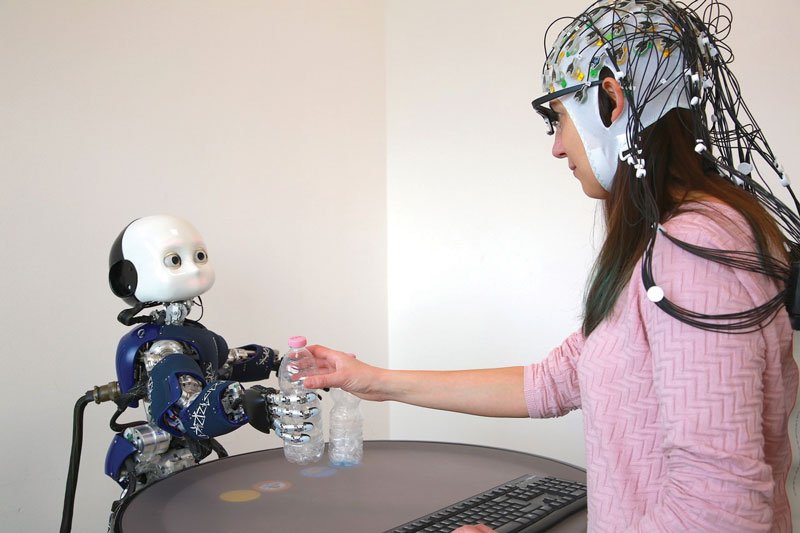
I’m working with the RAP Lab on research into how people respond to robots, and part of that work uses EEG, a way of recording the brain’s natural electrical activity through small sensors on the scalp. We use a gel-based cap connected to an OpenBCI board, alongside a finger sensor that tracks the body’s physiological responses. It’s a powerful setup. It’s also an easy one to get wrong. A loose sensor, a phone left on in the room, or instructions worded slightly differently for two people can quietly ruin the data you can’t collect again.
So before running a single participant, I built a small toolkit of documents to make every session consistent, safe, and repeatable. I think really get this idea online nor have I worked in any lab in the past, I just felt that having such document is necessary to have a seamless research experience. This post walks through each one: what it is, why it exists, and what I learned putting it together.
1. The Standard Operating Procedure: the full playbook
The SOP is the master document. It takes a study from the very first idea to the final cleanup, in the order things actually need to happen.
It starts before any equipment comes out. Step zero asks you to write one sentence: “I am testing whether X changes Y.” Then a second sentence naming exactly how you’ll measure Y. If you can’t write those two sentences, you’re not ready to design anything. From there, the SOP moves through ethics approval, study design, writing a script for what you’ll say to participants, piloting the whole thing on yourself, preparing the equipment and room, fitting the cap, recording, and wrapping up.
The first draft covered the basics well. The second version filled in the gaps I hadn’t seen at first:
- Keeping every device on the same clock. We record brain signals, a finger sensor, and events from the task software, and each device keeps its own time. Unless they’re synchronized, you can’t say “the brain did this when that happened.” This turned out to be the most important section I added.
- Deciding the analysis before seeing the data. Every processing choice, filters, how noisy moments get removed, what counts as the outcome, is written down in advance. Otherwise it’s too easy, even unintentionally, to tune the analysis until it shows what you hoped for.
- Clear rules for who takes part and whose data counts. Deciding these upfront keeps the choices fair and consistent.
- Participant wellbeing. What to do if someone feels unwell or uncomfortable, how to debrief properly, and hygiene steps like disinfecting the cap between people.
- Inclusive capping. Gel caps are harder to fit on thick, curly, or braided hair. The SOP now includes practical guidance so these participants are welcomed rather than quietly excluded, which also keeps the sample from skewing toward people with “easy” hair.
The SOP closes with appendices for troubleshooting common signal problems, mapping each sensor to its position on the head, handling adverse events, and logging each session.
2. The Session-Day Checklist: one page, in order
A ten-page SOP is great for learning the process and terrible for following it mid-session with a participant waiting in the chair. The checklist solves that. It’s a single page, meant to be printed, laminated, and ticked off with a dry-erase marker.
It keeps only the actions, in the order they happen: before the participant arrives, welcome and capping, recording, before they leave, and after. There’s no explanation of why — that lives in the SOP. The checklist just makes sure nothing gets skipped when you’re busy, whether it’s charging the batteries the night before or disinfecting the cap at the end. A boxed reminder at the bottom says what to do if a participant feels unwell, so it’s always in sight.
3. Participant Pre-Visit Instructions: good data starts at home
This was the document I least expected to need, and it may prevent more failed sessions than any other. Much of what goes wrong with EEG starts hours before the participant arrives — conditioner or hair oil that morning, a large coffee on the way in, or a short night’s sleep all show up in the recording.
The instructions come in three forms: a booking email, a one-page handout, and a short reminder sent the day before. They explain in plain language what the session involves, that the cap is painless and nothing is sent into the body, how to prepare their hair, and what to bring. They also invite participants who wear braids, twists, locs, or other protective styles to let us know in advance so we can plan extra time.
One principle shaped the wording: the instructions describe the tasks neutrally. Participants shouldn’t know in advance what the study is testing, because that knowledge can change how they respond. The full explanation comes in the debrief afterward.
4. The Counterbalancing Schedule: taking chance out of the order
In a study where each person experiences more than one condition, the order matters. People get tired, get used to the setup, or learn as they go, so whatever comes second is affected by whatever came first. The standard fix is to give half the participants one order and half the other.
The schedule is a spreadsheet that assigns each participant slot its order before the study begins, so nobody decides it on the day. Orders are randomized in pairs, which keeps the design balanced even if recruitment stops early. It also includes a simple rule for replacing participants who withdraw, and a sheet that checks at a glance whether the completed sessions are still balanced.
What I learned
Building these documents taught me three things I’ll carry through the rest of my PhD.
Consistency is a form of rigor. Every small difference between sessions — how instructions are worded, what order things happen in, how well the cap fits — becomes noise in the data. Written procedures turn good intentions into repeatable practice.
Decide before you look. Settling the research question, the measure, and the analysis before collecting data is the best protection I know against fooling myself.
Participants are partners, not data sources. Comfort, clear communication, and respect for people’s time and hair aren’t extras. They’re how you get good data, and they’re the right way to treat the people who make research possible.

Leave a Reply